
Gargle with salt water
A mild saline solution can be used for gargling. The water should be lukewarm and comfortable.
Young children should not gargle until they can safely spit out the liquid.

A sore throat often starts with a scratchy or burning sensation in the throat. The mucous membrane may be red and swollen, swallowing may be difficult, and even speaking can become uncomfortable.
A sore throat is often the first sign of a cold. However, it can also be caused by dry air, smoke, overuse of the voice, or other irritants.
Sore throats can vary in severity. Common symptoms include:
If severe symptoms, shortness of breath, or noticeable swelling occur, the cause should be evaluated by a doctor.
Acute sore throats are usually caused by viruses. They often occur along with a runny nose, cough, hoarseness, or other cold symptoms.
Other possible causes include:
Frequent or persistent sore throats should be evaluated by a doctor.

Simple measures can moisturize irritated mucous membranes and relieve symptoms.
A mild saline solution can be used for gargling. The water should be lukewarm and comfortable.
Young children should not gargle until they can safely spit out the liquid.

Lukewarm sage or chamomile tea can be used for gargling. The liquid should not be too hot.

Sage, chamomile, ribwort plantain, or thyme tea can be soothing. If you are sensitive to certain plants, you should choose a different type of tea.
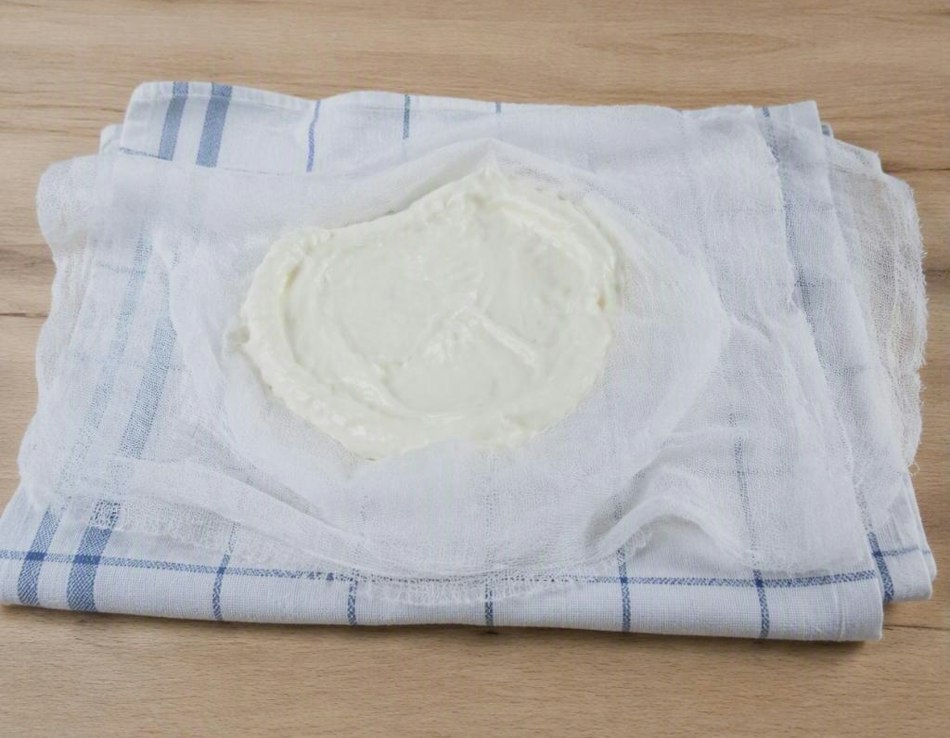
Warm or pleasantly cool neck compresses can soothe the throat. The ideal temperature varies from person to person.

Warm steam can moisturize dry airways. The water should not be too hot to avoid scalding.
Most acute sore throats are caused by viruses. Antibiotics are not effective against viruses and are therefore not appropriate for every sore throat. Antibiotics may be necessary in cases of a confirmed or medically suspected bacterial infection. A medical professional should determine whether such treatment is necessary.
Sage and red coneflower are particularly effective for treating symptoms in the mouth and throat.
Common sage (Salvia officinalis) is the main medicinal plant featured on this page. The aromatic sage leaves are used.
Sage is traditionally used to treat ailments of the mouth and throat. It can be used as a tea, a gargle, or as an ingredient in herbal medicines.
To the Plant Encyclopedia: Sage
Red coneflower (Echinacea purpurea) is a traditional medicinal plant that is primarily used to treat colds and support the immune system.
In herbal remedies for sore throats, echinacea is combined with sage, among other ingredients.
A.Vogel Sore Throat Spray
A.Vogel Sore Throat Spray is made from fresh flowering herbs and fresh roots of purple coneflower, as well as fresh sage leaves.
For the short-term treatment of acute inflammation of the mouth and throat caused by:
For adults and teens ages 12 and up.
A.Vogel Sore Throat Tablets
A.Vogel sore throat tablets contain extracts from fresh echinacea herb and roots, as well as from fresh sage leaves.
For the short-term treatment of acute inflammation of the mouth and throat associated with:
For adults and teens ages 12 and older.
These are approved medications. Read the package insert.
Young children often can't describe a sore throat in detail yet. Signs may include:
Medical advice should be sought for young children, cases of high fever, breathing difficulties, severe difficulty swallowing, or if you are unsure.
Lozenge are only appropriate once a child can safely suck on them without choking.
It is advisable to seek medical evaluation if:
Immediate medical attention is necessary in the following cases:


